SOLAR CLEANING ROBOTICS
PORTFOLIO
NYZA SOLUNA™
Three Robotic Architectures. One
Engineering Vision.
 (1).webp)
SOLAR CLEANING ROBOTICS
Three Robotic Architectures. One
Engineering Vision.
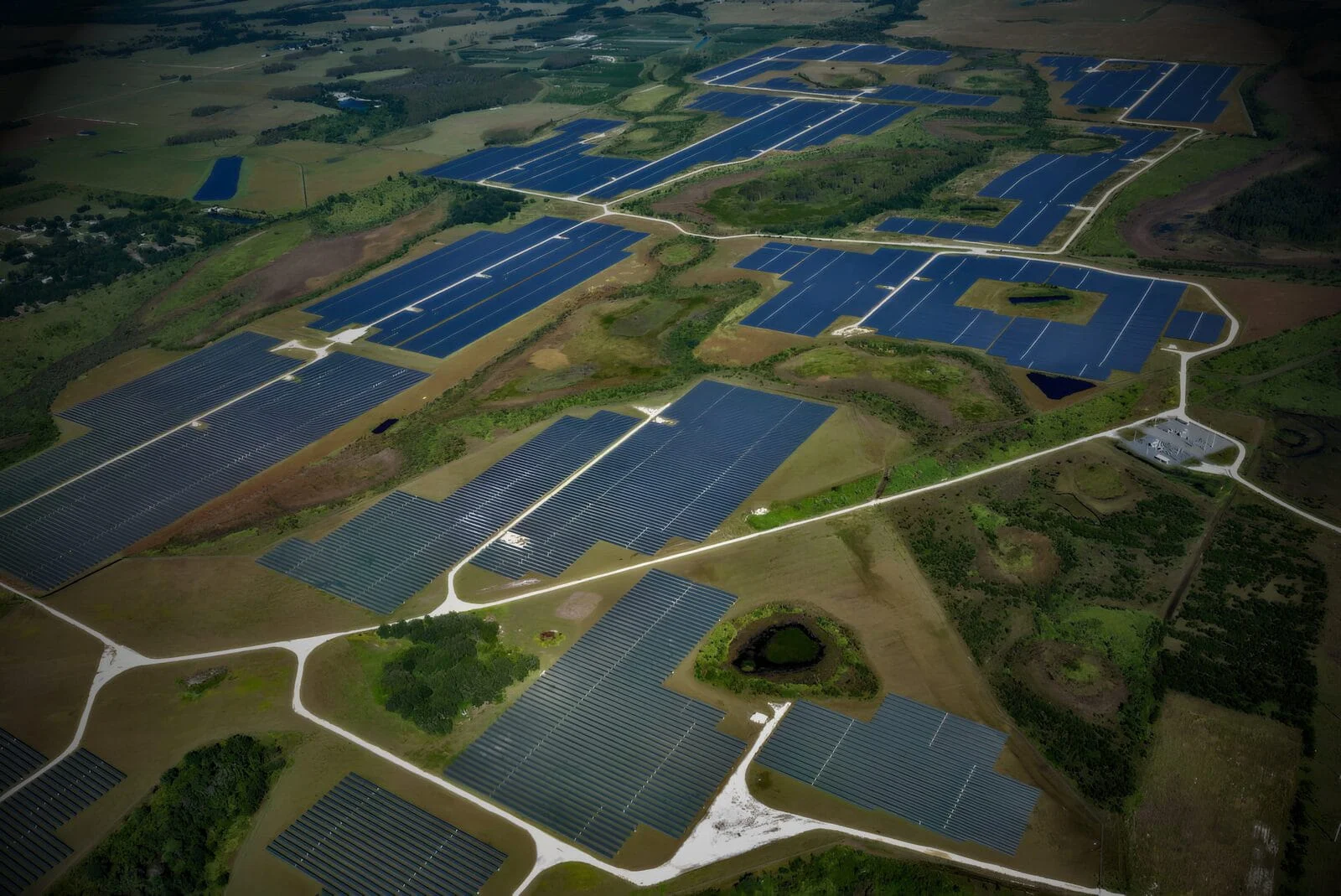
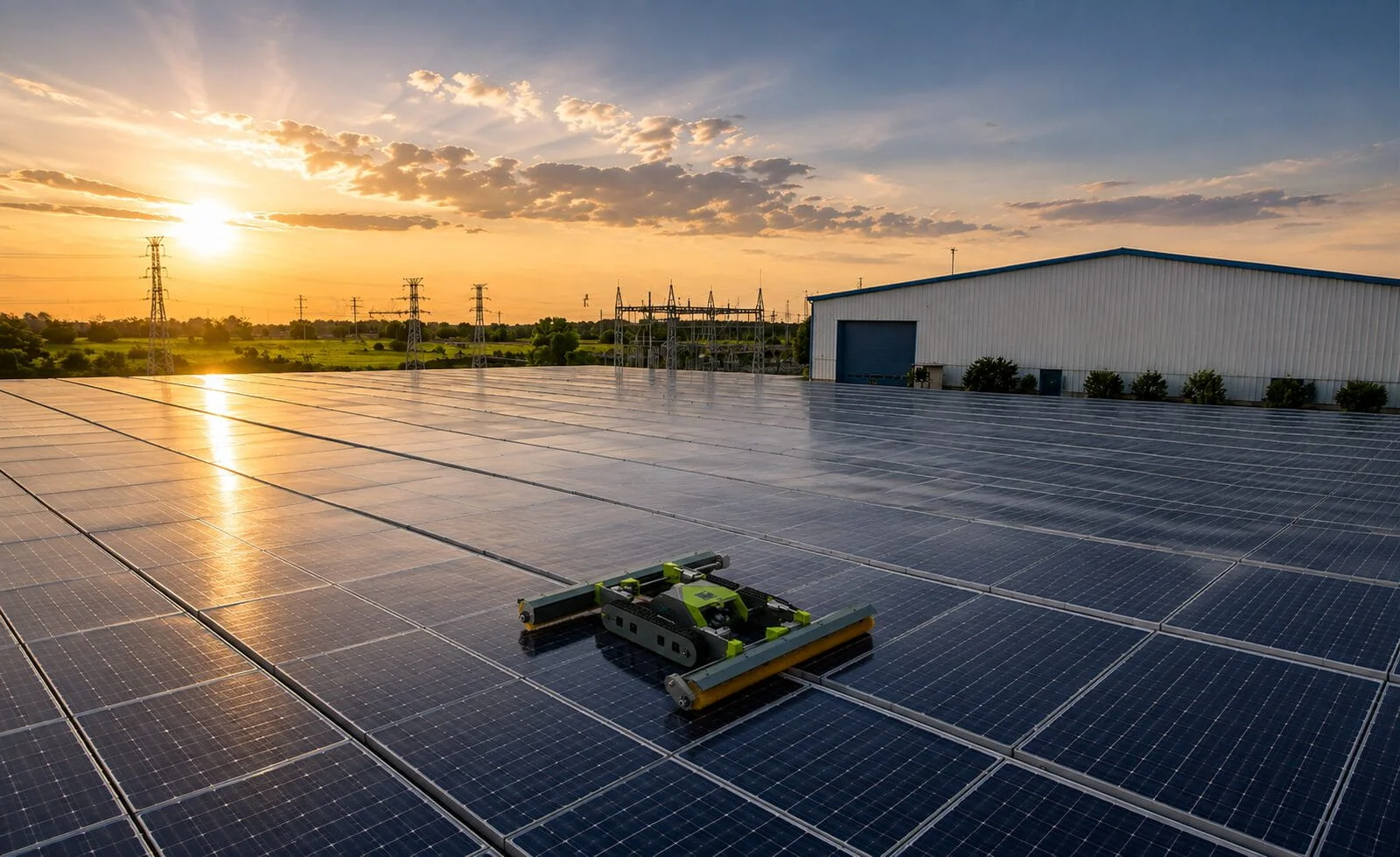
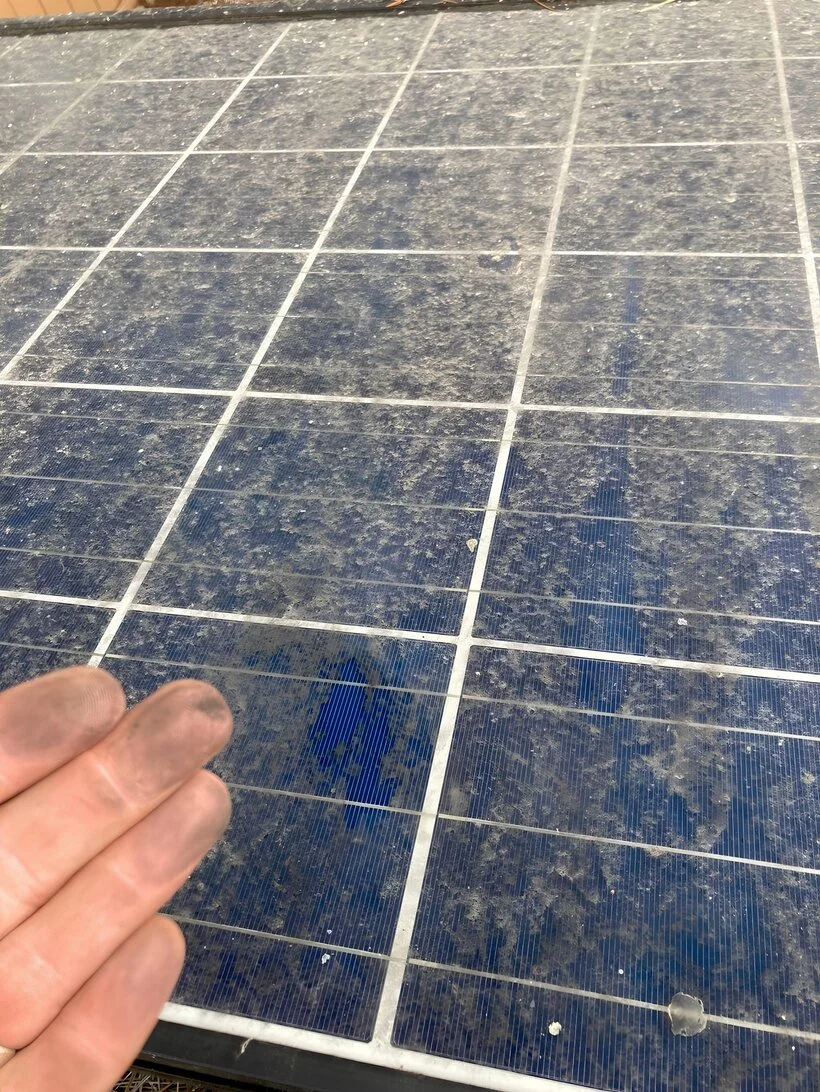
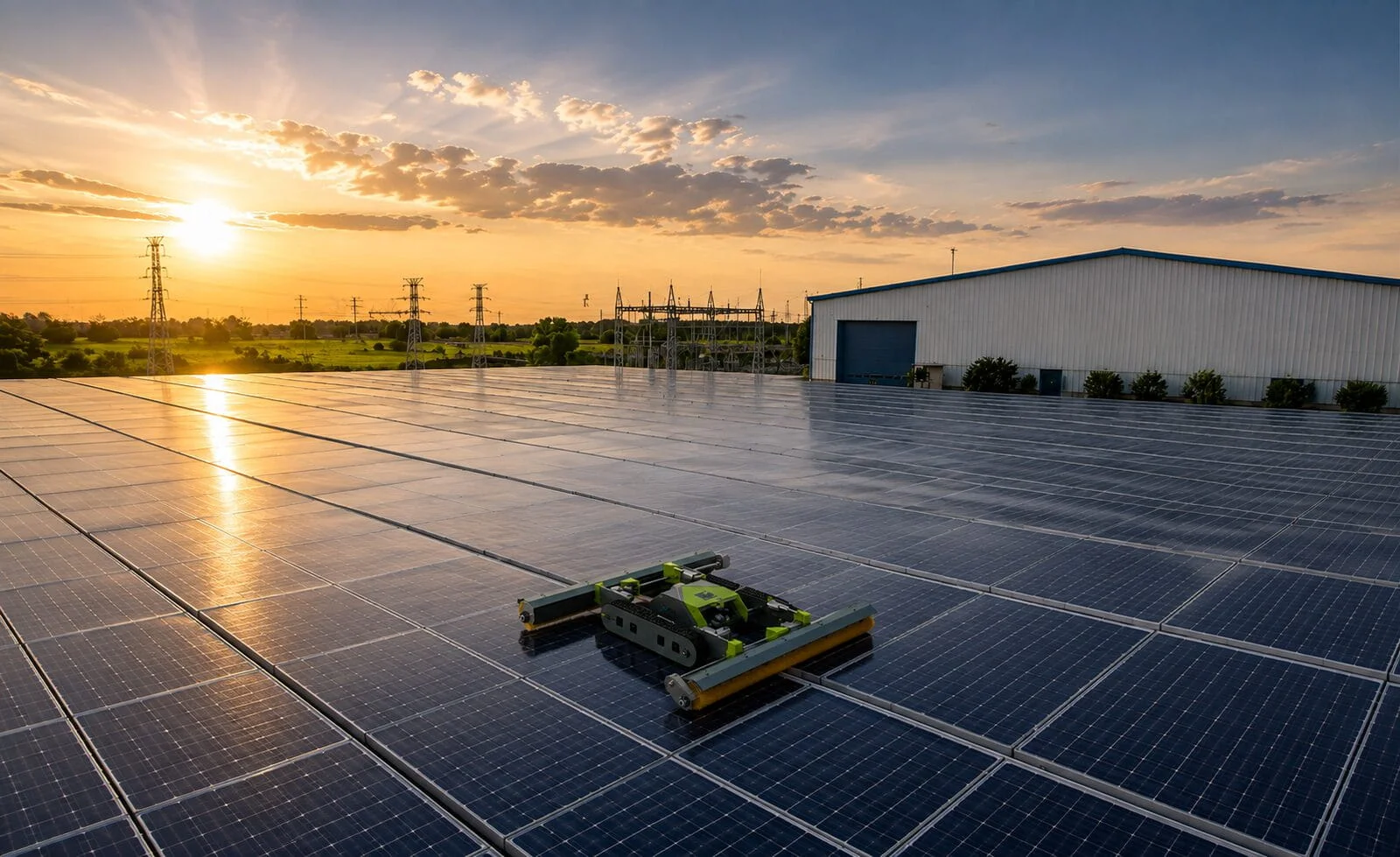
Solar farms operate in environments where dust, sand, pollen, bird droppings, and other contaminants gradually reduce photovoltaic efficiency. Cleaning large-scale installations safely and consistently is both labour-intensive and operationally demanding.
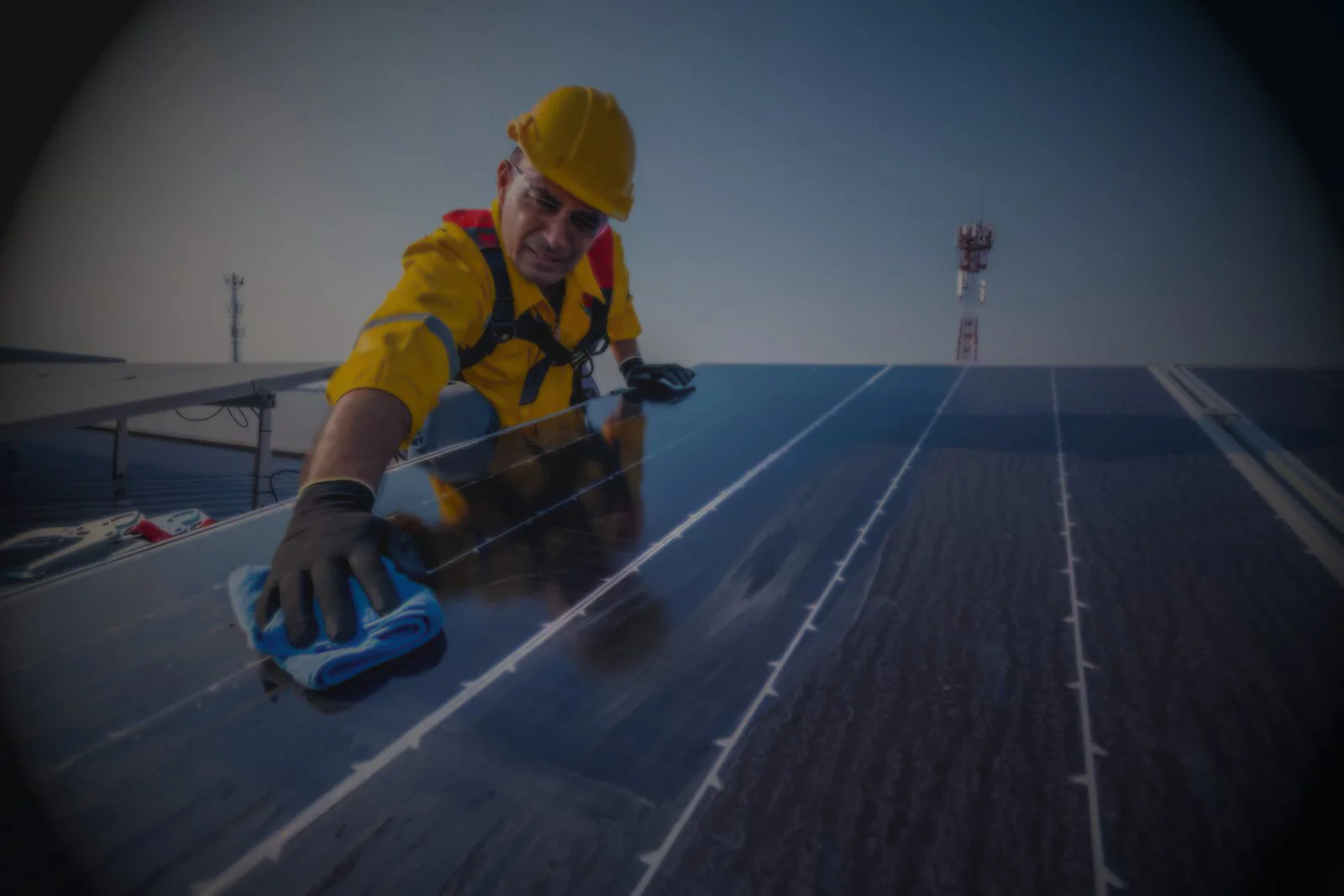
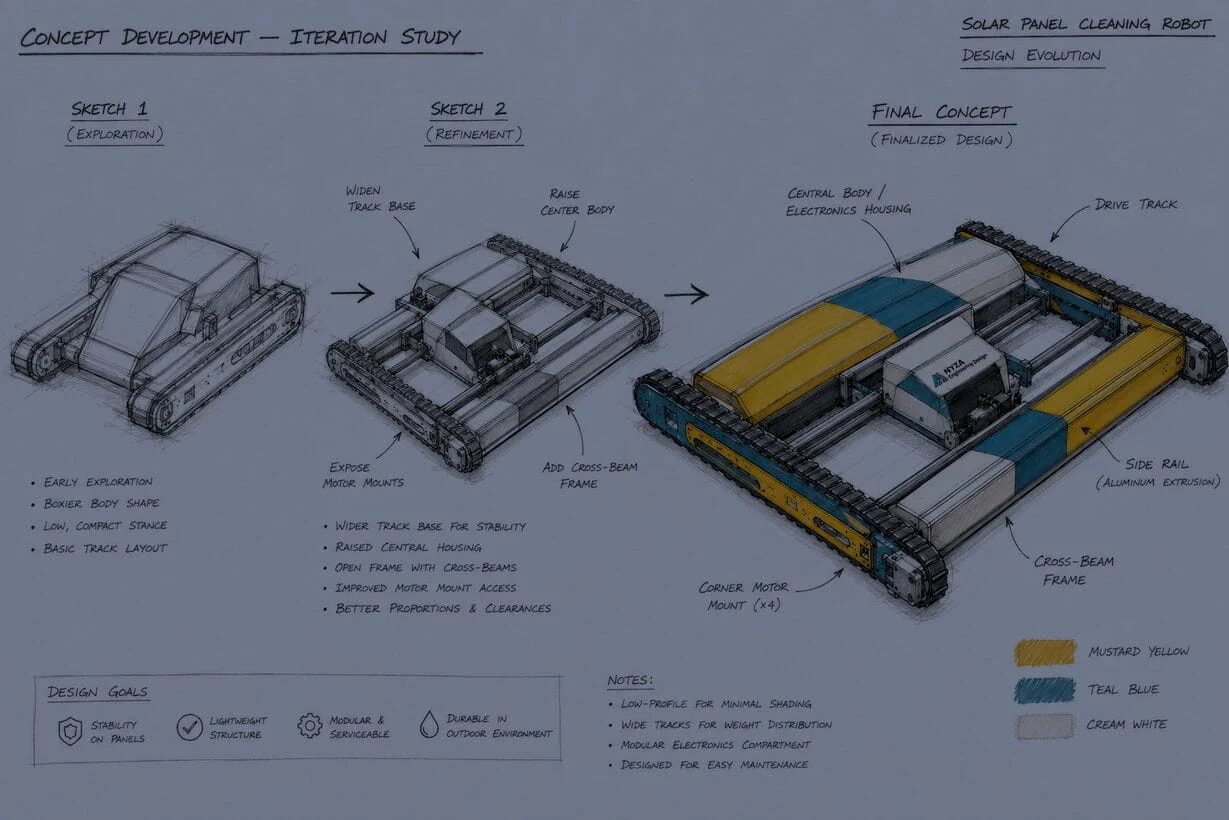
Different solar farms have different operational constraints. Rather than forcing one robot into every application, we engineered three robotic architectures to explore different approaches to mobility, cleaning, and manufacturability.
.webp)
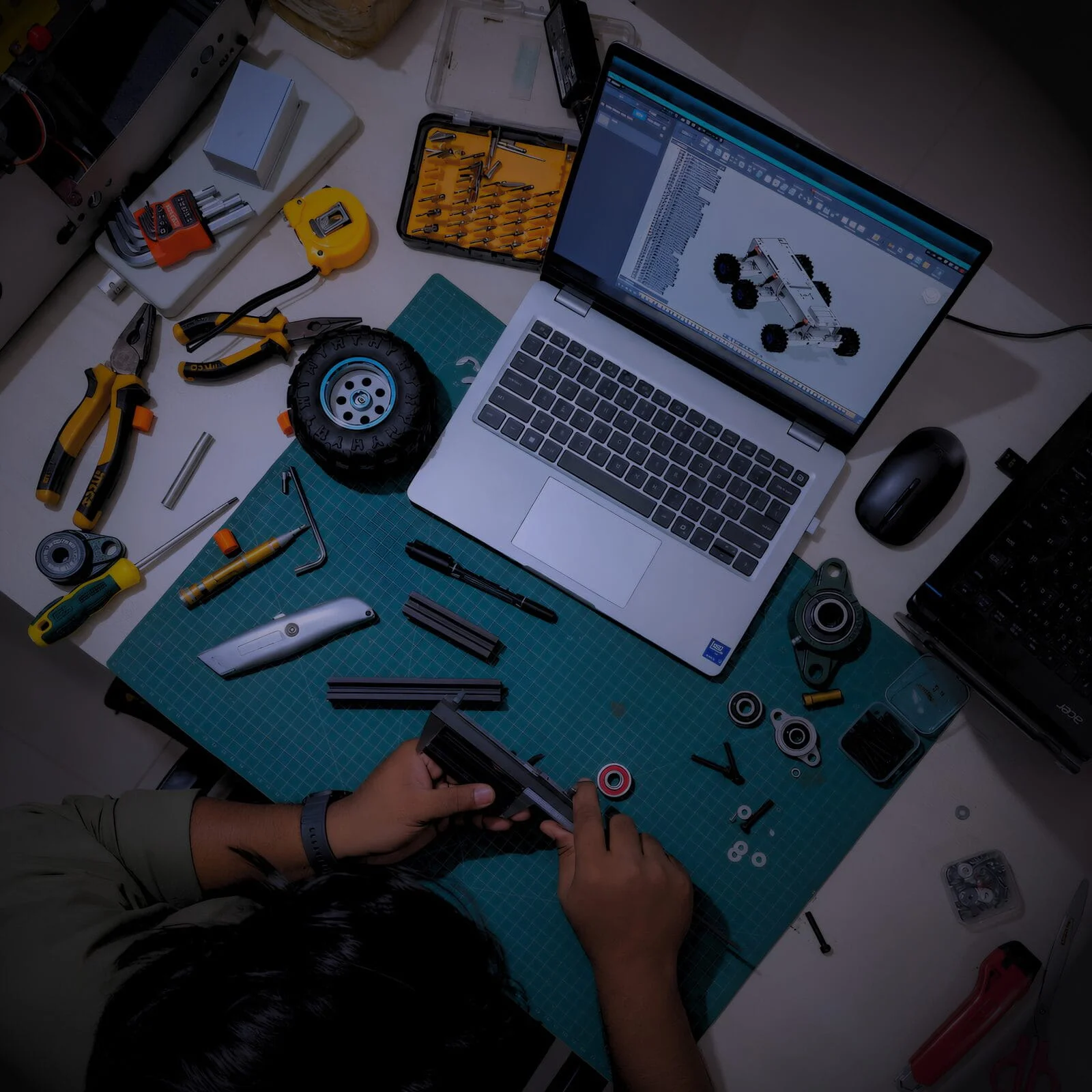
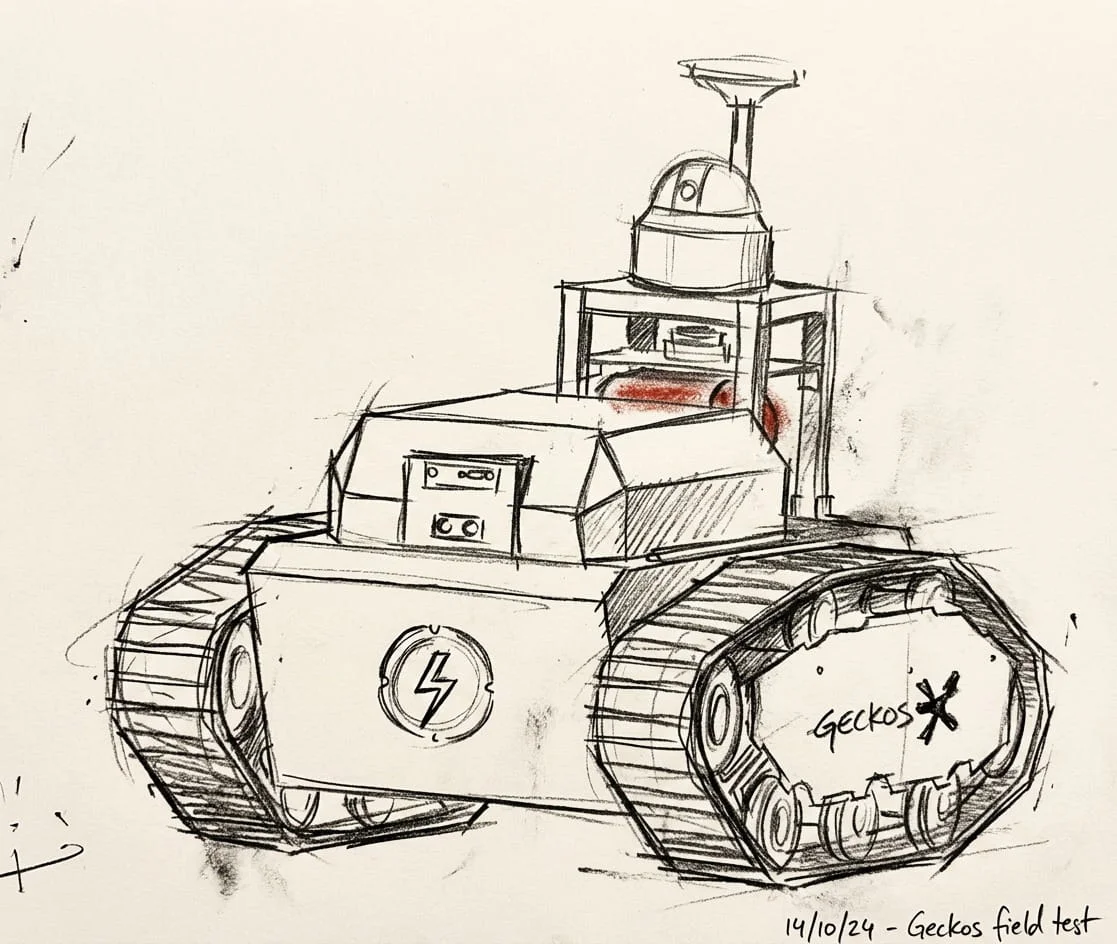
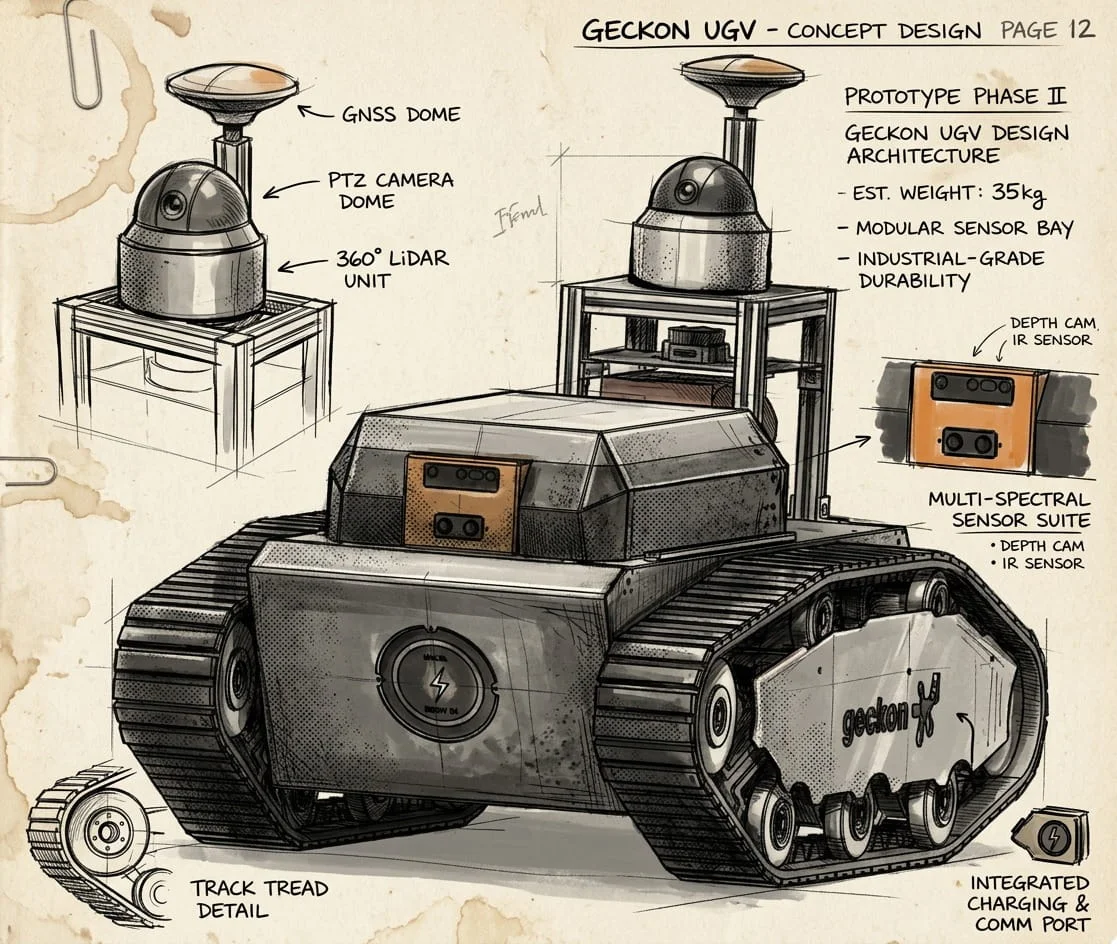
At Nyza Engineering, we transform innovative ideas into fully functional robots through integrated mechanical, electronics, and software design. From concept to three working robotic platforms, every step is driven by precision, reliability, and innovation.


.webp)
.webp)
.webp)
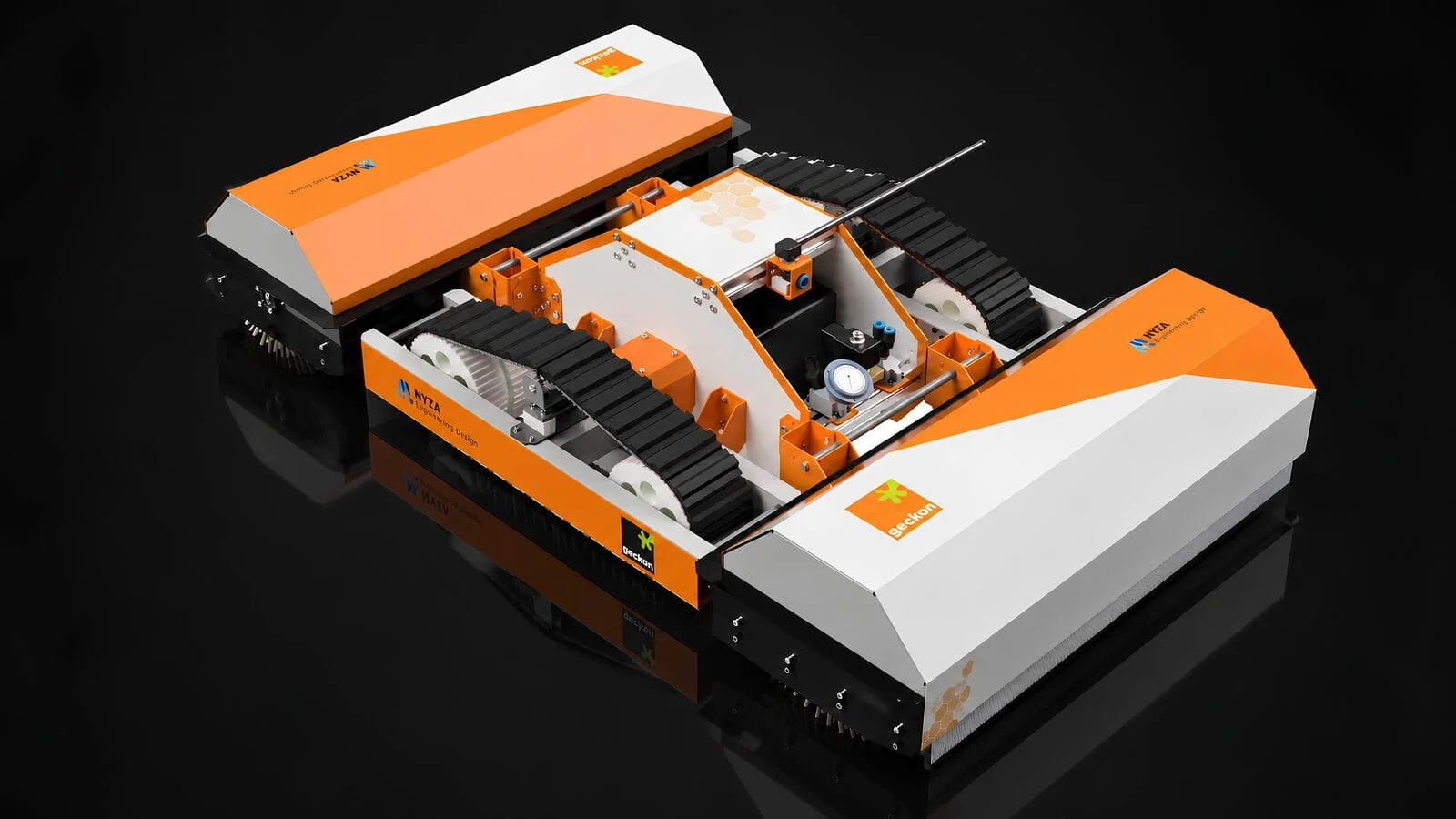
The SOLUNA V1 follows a simple design principle: stay small to move, grow wide to clean. Its compact tracked chassis makes positioning and movement easy.
Once placed on the panel, twin telescopic arms unfold to create a cleaning span much wider than the robot itself, maximizing surface coverage.
The remotely operated system combines mechanical brushing with pressure-monitored water feed, delivering a consistent and thorough clean with every pass.
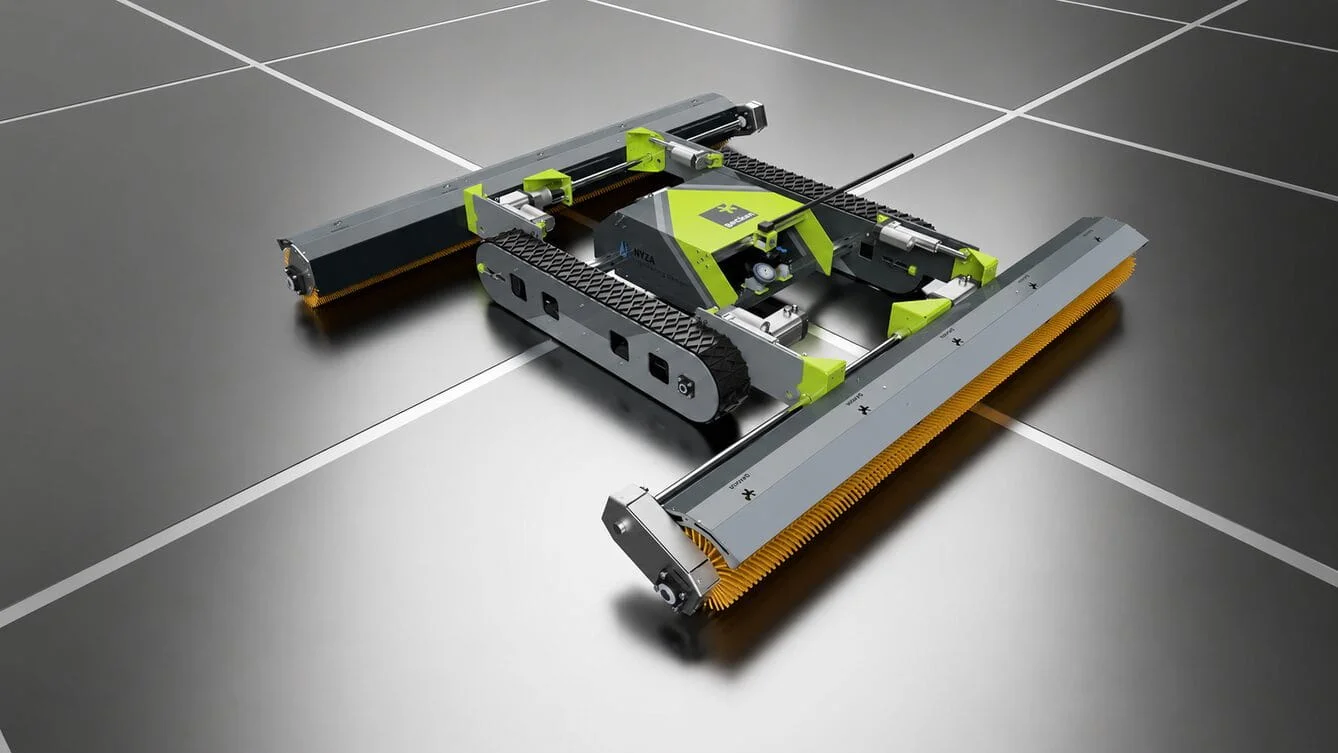
Central-mounted pressure gauge and fittings regulating water flow to the brush units for wet-cleaning operation.
Houses the main drivetrain, twin rubber crawler tracks, and the geared motor units at each track end. Forms the structural core the arms mount to.
End-mounted cylindrical brush with dense synthetic bristle rows, driven by its own motor housed in the end cap; sweeps debris as the arm extends across the panel.
Every module of the SOLUNA PV frame was engineered around a strict weight target: 10–15 kg per module. This wasn't an arbitrary constraint; it was a deliberate design goal that shaped every structural decision from day one.
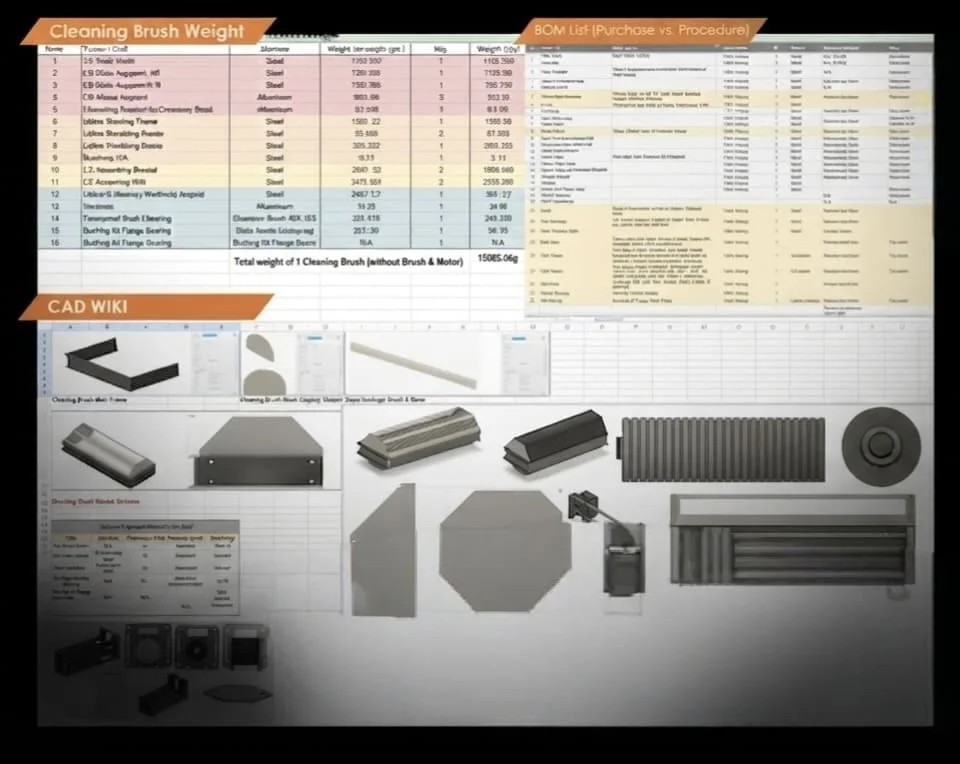
Each part was assigned the ideal process, with deliberate make-vs-buy decisions.
Every component was weighed and tracked for accurate performance and structural planning.
Every component was fully designed in 3D CAD, including materials, specifications, and revision records. Multiple design options were compared to ensure the strongest final solution.
.webp)
A compact central module integrates the drive, control, and water-supply systems, enabling coordinated and consistent cleaning.
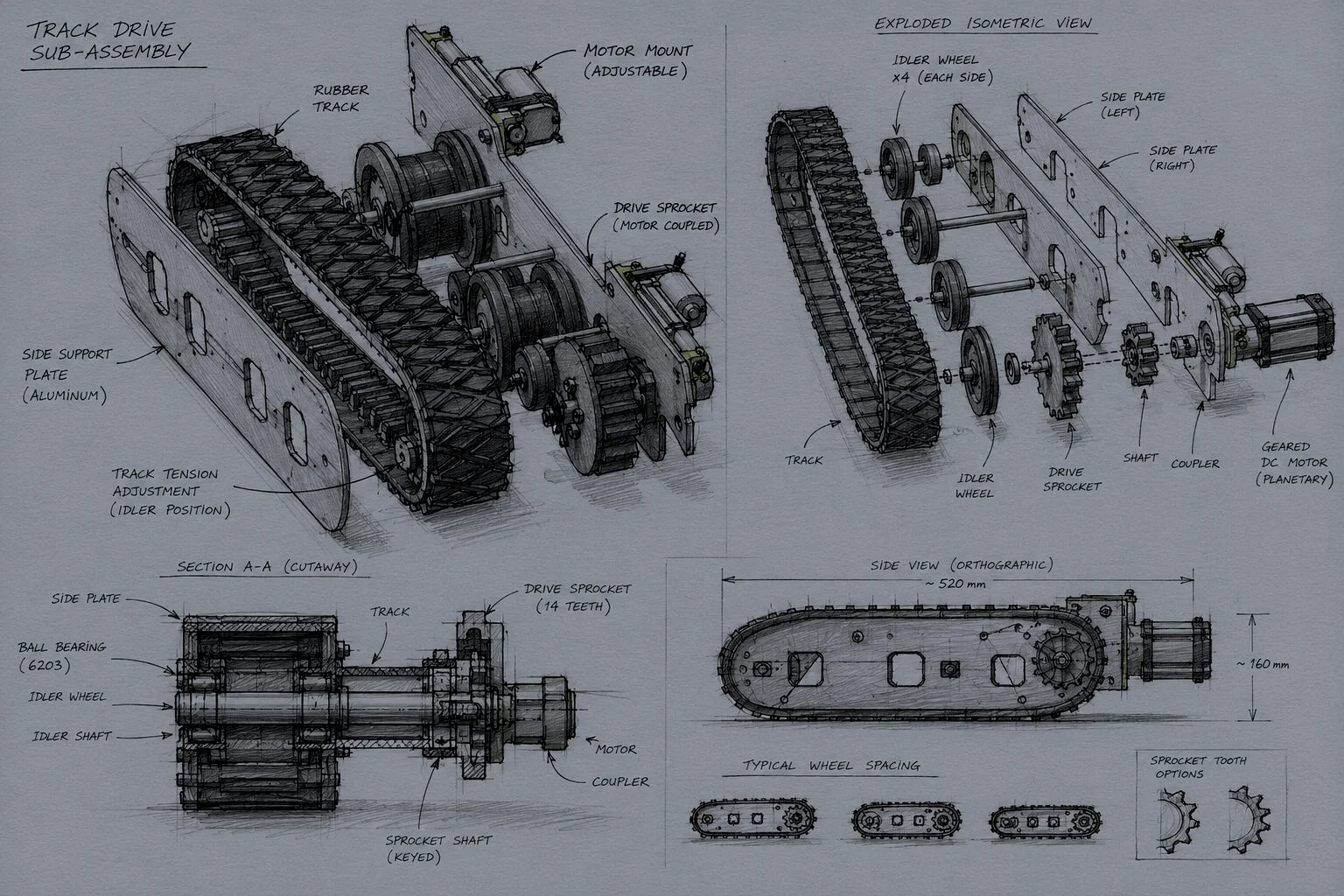
Dual AT10 tracks with 100 mm-wide, 1334 mm-long belts provide stable traction and reliable movement across PV panels.
The 1980 mm-long brush with a Ø 180/150 mm pipe provides wide cleaning coverage while maintaining a robust, modular construction.
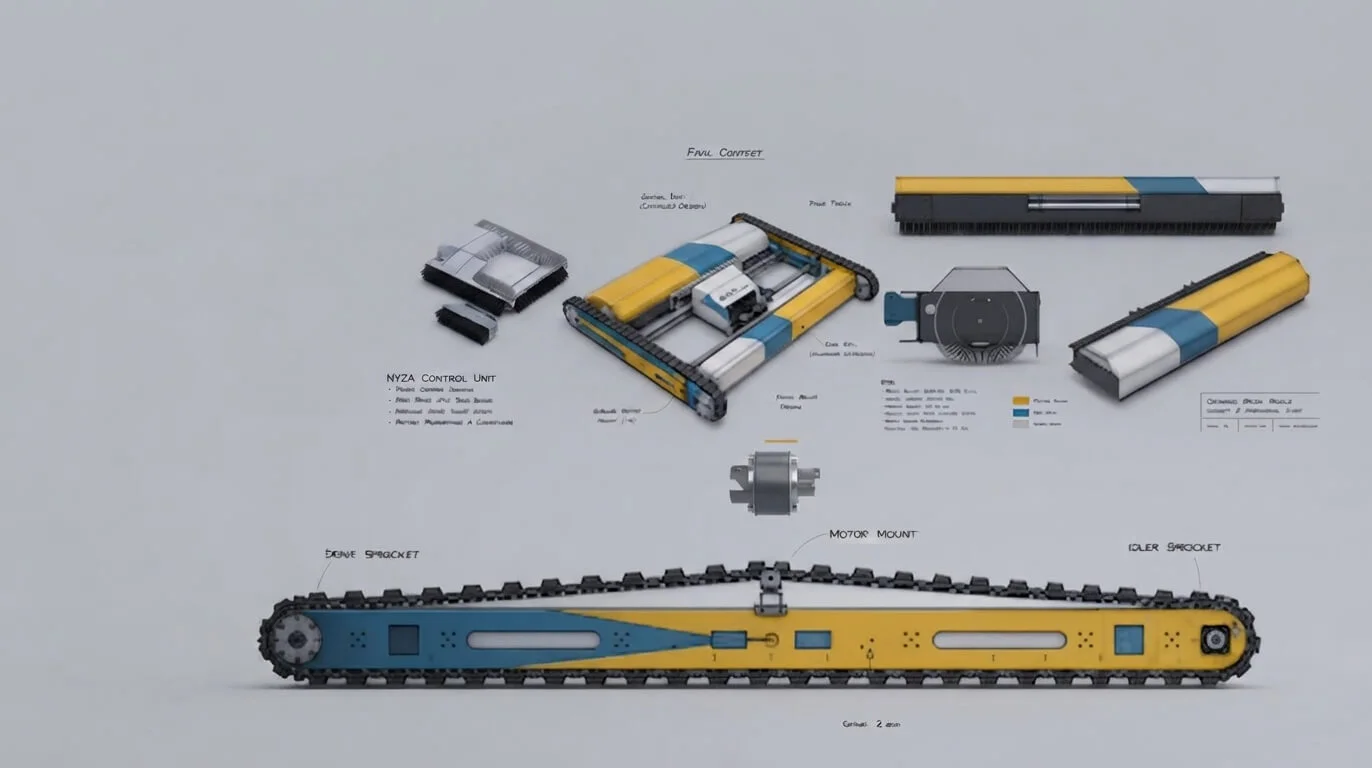
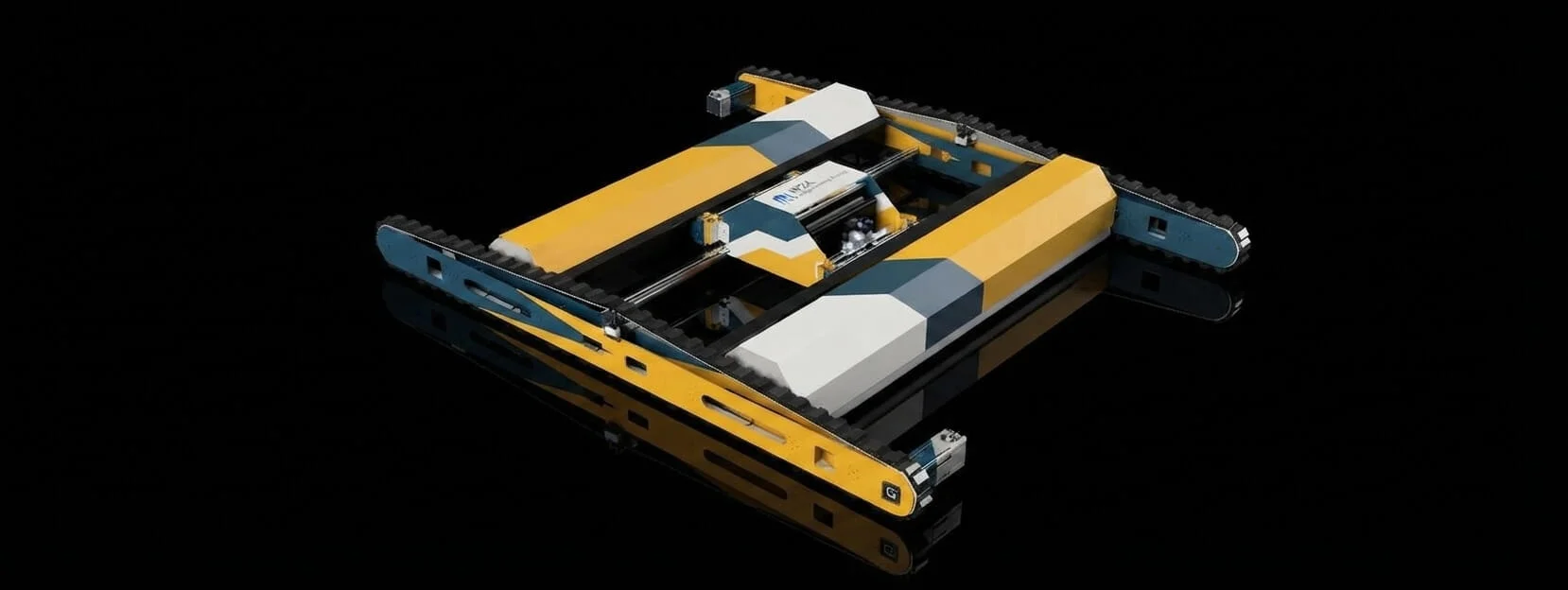
The SOLUNA PV-X, designed by NYZA Engineering, was developed to cover a larger surface area of solar panels, improving cleaning coverage and efficiency. However, the increased dimensions required a design that remains easy to assemble, handle, and maintain.
The concept therefore focuses on a modular and assembly-friendly architecture, allowing the larger system to be constructed and serviced with minimal complexity. This balances larger coverage with practical deployment and maintenance.
.webp)
A 160 mm drive sprocket with three PTFE plates ensures smooth operation. The 60 mm-wide track has a 1750 mm pitch diameter for reliable movement.
The central unit integrates the control system, navigation, water supply, and pressure monitoring. It manages the robot's operation and ensures consistent cleaning performance.
A steel U-channel frame supports the 180 mm OD, 150 mm ID brush pipe with a 1980 mm brush length. The brush cover uses PVC or YUPO synthetic paper for durability.